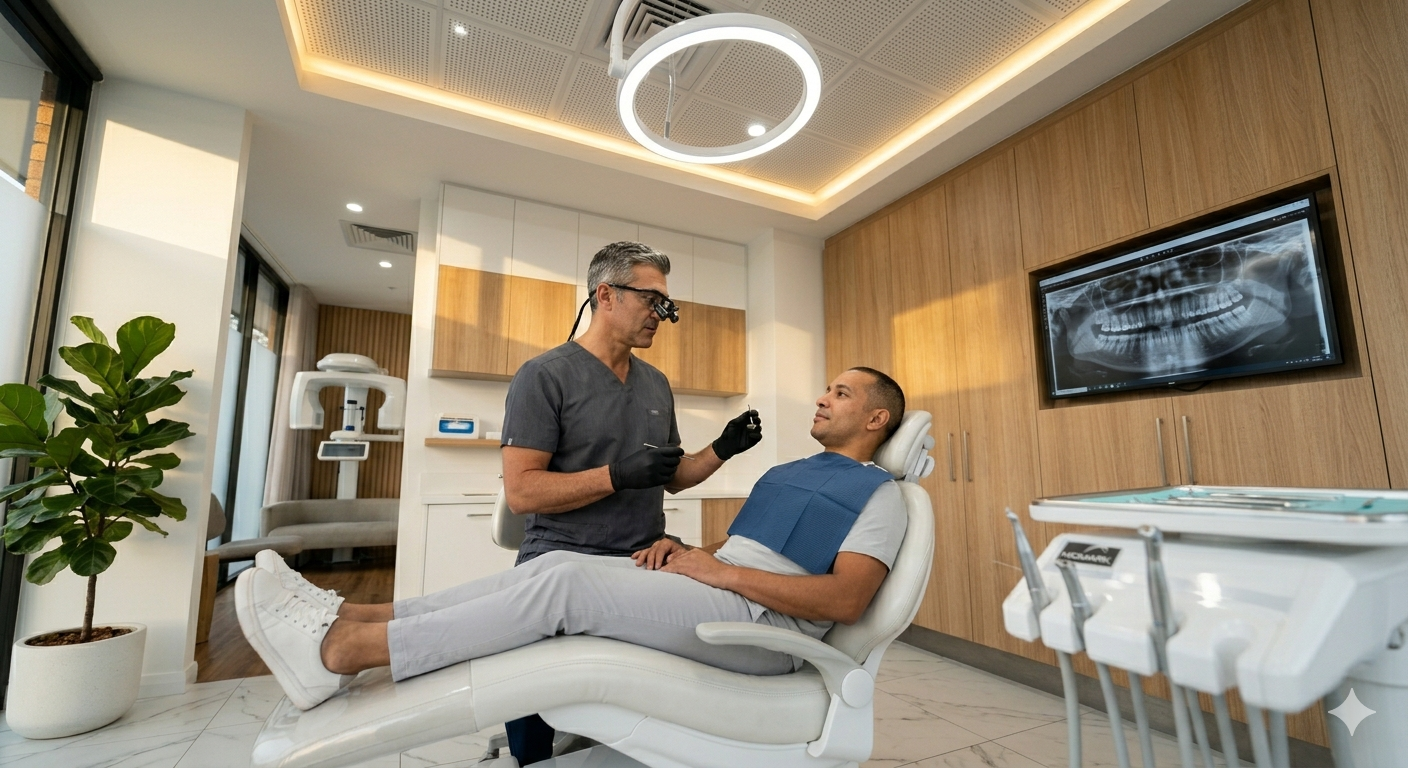
When considering veneers in Brooklyn, NY, many wonder about the cost and what affects it most. The price for veneers typically ranges from $1,000 to $2,500 per tooth, depending on factors like the material used, the dentist’s experience, and the complexity of the case. This range helps patients plan their budget while understanding that quality and personalized care play a big role in the final cost.
Veneers offer a lasting solution to enhance a smile, but it’s important to remember that costs go beyond just the veneer itself. Factors like initial consultations, X-rays, or any needed preparatory work can add to the overall expense. Patients in Brooklyn may also find that payment plans or financing options make this investment more manageable.
Understanding the cost details helps individuals make informed decisions about their dental health. Encouraging anyone thinking about veneers to speak directly with a local dentist ensures they get tailored advice and clear answers about price and care options.
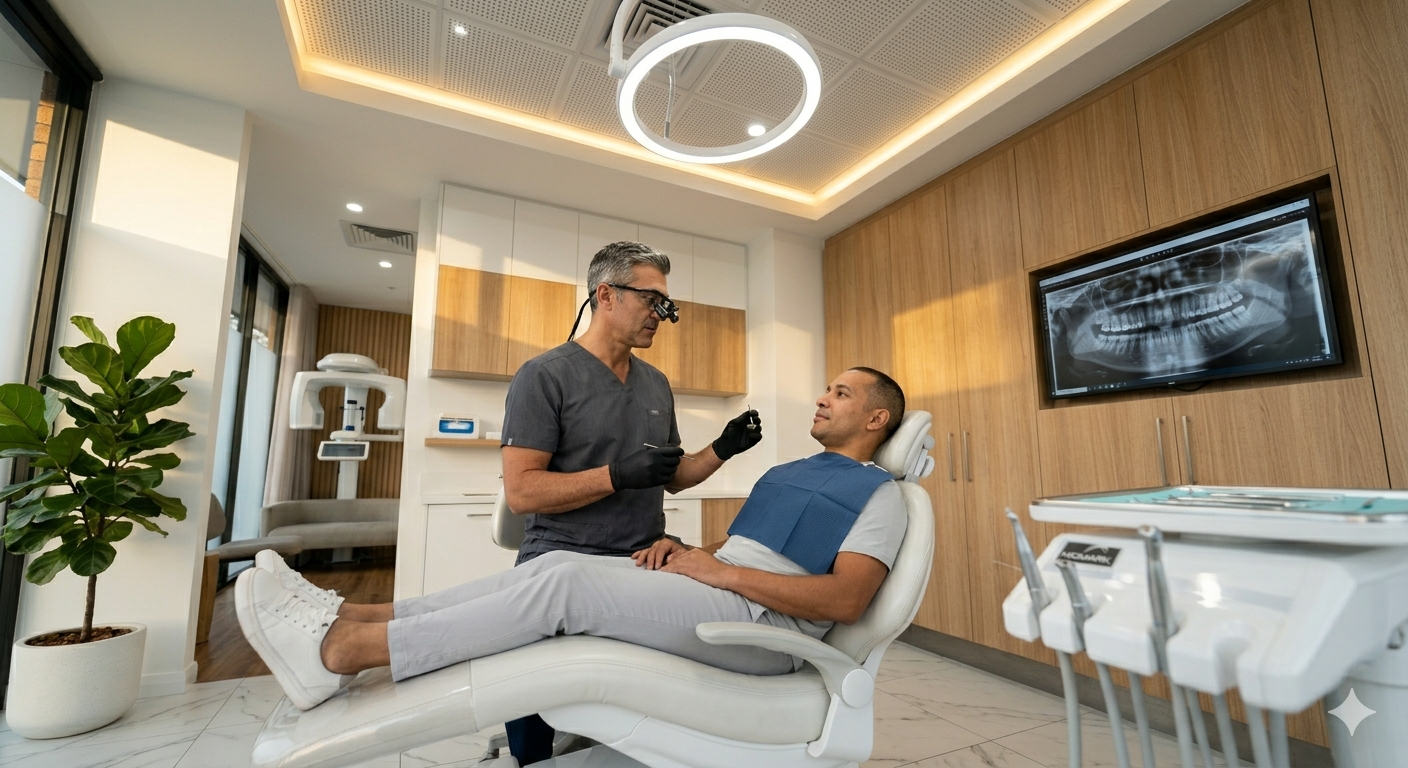
Veneers are thin shells designed to cover the front surface of teeth, improving their appearance. They can address issues like discoloration, chips, and minor misalignment, giving a natural and polished look. The material, thickness, and application method vary depending on the type selected.
The two primary types are porcelain and composite resin veneers. Porcelain veneers are durable, stain-resistant, and closely mimic natural tooth enamel. They typically last 10-15 years but require multiple dental visits and precise lab work.
Composite resin veneers are applied directly to teeth in one visit. While less costly and easier to repair, they are not as long-lasting and may stain or chip more easily. Both types require slight tooth preparation, but composite veneers usually involve less removal of natural enamel.
Choosing between them depends on factors like budget, desired longevity, and the specific dental condition being treated.
Veneers can instantly brighten and even out your teeth, fixing stains that don’t respond to whitening. They also conceal minor chips, gaps, and irregular shapes, creating a more balanced smile.
Since they are custom-made, veneers blend seamlessly with surrounding teeth. This enhances overall appearance without looking artificial. Patients often feel more confident because their smile looks consistently healthy and polished. Veneers protect the underlying tooth surface, offering a durable option for those wanting a long-term solution without extensive dental work.
They are a popular choice for people seeking noticeable improvement with minimal discomfort.
Veneer costs in Brooklyn vary based on several key factors, including the material used, the dentist’s experience, and the complexity of the procedure. Understanding typical costs per tooth and what a full treatment might run can help patients budget and plan better.
The type of veneer greatly influences the price. Porcelain veneers, known for their durability and natural look, are usually more expensive than composite resin veneers. The dentist’s expertise and the dental office location within Brooklyn also make a difference—more experienced cosmetic dentists typically charge higher fees.
Additional preparatory work, like teeth cleaning or minor repairs, can add to the overall cost. Customized veneers requiring advanced lab work, or same-day dental technologies such as CAD/CAM, can also increase pricing.
In Brooklyn, veneers generally cost between $800 and $2,500 per tooth. Composite resin options tend to be at the lower end, around $800 to $1,200. Porcelain veneers typically fall in the $1,000 to $2,500 range depending on the material quality and design intricacy.
Some clinics offer discounts for multiple veneers or payment plans, which can assist those needing veneers on several teeth without a large upfront payment.
The total cost depends on how many teeth are treated. For example:
| Number of Veneers | Estimated Cost Range |
|---|---|
| 2-4 Teeth | $1,600 – $8,000 |
| 6-8 Teeth | $4,800 – $16,000 |
| Full Smile (10-12) | $8,000 – $30,000+ |
Many patients choose veneers for front teeth only, where aesthetics matter most. A consultation can clarify exactly how many veneers fit the patient’s goals and budget.
Patients considering veneers in Brooklyn are encouraged to discuss all costs upfront so they can make informed decisions suited to their needs.
Understanding the costs and payment methods for veneers is crucial for patients planning their smile makeover. Options range from what insurance might cover to flexible plans and financing choices offered by Brooklyn dental offices.
Most dental insurance plans do not cover veneers because they are considered a cosmetic procedure. Insurers typically exclude treatments aimed at improving appearance rather than function.
However, if veneers are needed to repair damage from injury or disease, some plans might cover part of the cost. It’s important to check the specifics of each policy and ask the dental office for help with insurance claims.
Patients should prepare for out-of-pocket expenses and ask their dentist if alternatives like crowns or bonding—sometimes covered by insurance—might be suitable.
Many Brooklyn dental practices offer flexible payment plans to help manage the cost of veneers. These plans break the total fee into smaller, more manageable monthly payments.
Such arrangements often have low or zero interest and can span several months or even a year. Patients can discuss these options during their consultation to find a plan that fits their budget.
Flexible payment plans make it easier to get veneers without a large upfront expense, reducing financial stress while prioritizing dental health and appearance.
In addition to payment plans, some offices partner with third-party lenders like CareCredit or LendingClub. These financing options provide credit specifically designed for healthcare costs.
CareCredit, for example, often offers promotional periods with no interest if the balance is paid off within a set time. Applications are usually quick and can be done during the dental visit.
Patients can compare interest rates and terms from different lenders before deciding. Financing options help make veneers accessible to more people by spreading out payments responsibly.
Choosing the right veneer material means balancing cost, durability, and appearance. Both porcelain and composite options have distinct benefits, affecting how long they last and how natural they look.
Porcelain veneers are made from a strong ceramic material designed to mimic the natural translucency of teeth. They are typically custom-crafted in a dental lab, which can increase the upfront cost but results in a precise fit and natural look.
Composite veneers, on the other hand, are created and applied directly to the teeth using a resin material. They usually cost less and can be completed in a single visit, but may stain or chip more easily than porcelain.
Dental experts often recommend porcelain for patients seeking long-term results and a highly natural finish, while composite might suit those needing a quicker, more affordable option.
Porcelain veneers generally last between 10 and 15 years, sometimes longer with proper care. Their durability resists stains and damage, making them a solid investment for maintaining a bright smile.
Composite veneers have a shorter lifespan, typically lasting 4 to 8 years. They are more prone to wear, chips, and discoloration and may require more frequent touch-ups or replacements.
Patients should consider how lifestyle factors like diet, oral hygiene, and habits impact veneer longevity when selecting the material best suited to their needs.
Porcelain offers a smooth, glass-like surface that feels very similar to natural tooth enamel. Its translucent quality allows light to reflect in a way that closely matches real teeth, contributing to a lifelike appearance.
Composite veneers can be sculpted directly by the dentist, allowing for more immediate customization. However, their texture may feel less polished, and over time, surface roughness or staining can make them appear less natural.
When appearance and the tactile sensation of veneers matter most, porcelain often provides a subtle edge that patients appreciate during everyday smiling and speaking.
Getting veneers involves a clear, step-by-step approach that starts with understanding the patient’s needs and ends with a customized smile makeover. The process is designed to ensure comfort, precision, and results that look natural.
During the initial visit, the dentist performs a thorough examination of the patient’s teeth and gums. This includes X-rays or photographs to evaluate oral health and identify any issues like decay or bite problems. The dentist discusses the patient’s smile goals and reviews possible options.
The patient can expect to talk about the veneers’ appearance, durability, and cost. This appointment is also a chance to address any concerns or questions, ensuring the patient feels confident and informed before proceeding.
After the assessment, the dentist creates a customized plan tailored to the patient’s dental structure and desired outcome. This plan outlines the number of veneers needed, the material type (porcelain or composite), and the timeline for the procedure.
The patient receives detailed information about preparation steps, such as minor enamel reshaping, and what to expect during the bonding process. The goal is to make sure every detail fits the patient’s lifestyle and budget, encouraging open communication throughout.
Proper care is essential to keep veneers looking natural and lasting for years. Simple routines and mindful habits can protect your investment and prevent damage.
Brushing veneers twice a day with a soft-bristled toothbrush is key. Use non-abrasive toothpaste to avoid scratching the surface.
Flossing daily removes plaque and food particles from between teeth, reducing the risk of gum disease that can affect veneers. Mouthwash with fluoride can add protection but avoid overly harsh formulas.
Regular dental cleanings are important, and your dentist can check the condition of your veneers during visits. Staying consistent with this routine helps maintain their shine and prevents discoloration.
Hard foods like ice, nuts, and tough candies can chip or crack veneers. It’s best to cut these into smaller pieces or avoid them altogether.
Sticky foods such as caramel or chewing gum may pull at the veneers, increasing the chance of loosening. Acidic drinks like soda and citrus juices can weaken the bonding material over time and cause staining.
Red wine, coffee, and dark berries might stain veneers if consumed frequently. Drinking through a straw and rinsing your mouth afterward helps reduce this risk.
If veneers feel loose, chipped, or if there’s unusual sensitivity or discomfort, consult a dentist promptly. Early repairs prevent further damage.
Regular checkups every six months allow the dentist to assess both your veneers and overall oral health. They can professionally clean veneers and address minor issues before they worsen.
Don’t wait to seek advice if you notice changes. Timely care keeps veneers durable and your smile bright.
Selecting a dentist nearby offers advantages that go beyond convenience. Access to personalized care, familiarity with local dental standards, and easier appointment scheduling can all enhance the veneer experience.
Choosing a Brooklyn cosmetic dentist means quicker follow-ups when needed. If any adjustments or emergency care arise, getting timely treatment is simpler within the community.
Local dentists often understand the unique dental needs common in their area, from lifestyle factors to dietary habits. This insight helps them tailor veneer treatments more effectively.
Visiting a nearby office also reduces travel stress and saves time, important when multiple visits might be required for veneers. It creates a more comfortable treatment process overall.
Brooklyn has many dental professionals, but choosing one with specific cosmetic dentistry training matters most. Look for credentials like membership in the American Academy of Cosmetic Dentistry (AACD) or similar certifications.
Evaluating before-and-after photos from past veneer patients offers concrete evidence of skill. Patient reviews provide valuable insight into both results and the dentist’s chairside manner.
Many offices in Brooklyn offer free consultations. This gives a chance to ask questions, discuss options, and get a clear idea of the veneer cost and procedure without pressure.
Investing in veneers offers benefits beyond the initial cost. These benefits include lasting improvements to appearance and practical protection that keeps your smile healthy.
Veneers can significantly improve a person’s self-esteem. By covering chips, stains, or gaps, they create a uniform and bright smile that looks natural.
This boost often influences social and professional interactions. Many patients report feeling more comfortable speaking and smiling, which can lead to better opportunities and relationships.
The durability of veneers means these confidence benefits last for years with proper care. Unlike whitening treatments that need frequent touch-ups, veneers provide a consistently attractive look. Patients should maintain regular dental visits to protect their investment and keep their smile fresh.
Veneers require careful upkeep to extend their lifespan, usually lasting 10 to 15 years. Avoiding hard foods and using non-abrasive toothpaste helps prevent damage.
Routine dental cleanings and check-ups are essential. Dentists can detect early signs of wear or issues with the bond, ensuring timely repairs.
Patients should also consider a night guard if they grind their teeth. This additional protection reduces stress on veneers, maintaining their appearance and function longer.
By following these guidelines, veneers offer good value for an improved smile and oral health. It’s wise to discuss all care options with a trusted dental professional.
When exploring cosmetic dental options, patients often look for treatments that balance effectiveness, cost, and invasiveness. Some prefer less permanent solutions that require minimal enamel removal or no alteration of the natural teeth.
Teeth whitening is a popular alternative focused on improving tooth color rather than shape or structure. It effectively removes stains caused by coffee, tobacco, or aging and usually costs less than veneers in Brooklyn, NY.
There are two main types: in-office whitening done by a dentist and at-home kits with custom trays. In-office treatments deliver faster, more noticeable results, often in one visit.
This method suits people with healthy teeth who want brighter smiles but don’t need to change the shape or fix chips. However, whitening isn’t permanent; it may require touch-ups every few months depending on lifestyle habits.
Dental bonding involves applying a tooth-colored resin directly to damaged or discolored teeth. It can address minor chips, gaps, or uneven surfaces more affordably than veneers.
The process usually takes one visit and requires little to no enamel removal, preserving most of the natural tooth. After application, the resin is shaped and hardened with a special light to blend with surrounding teeth.
Bonding can last several years but might stain or chip over time, so patients should avoid certain foods and habits. This option is ideal for those looking to improve appearance without committing to permanent changes or a larger investment.
After deciding to explore veneers in Brooklyn, the first step is scheduling a consultation with a trusted dentist. During this visit, the dentist will review your dental health, discuss your goals, and explain the costs involved.
Patients often have questions about the procedure timeline and payment options. Dentists can provide clear details about how many visits are needed and whether financing plans or insurance might help cover costs.
It’s important to maintain good oral hygiene throughout the process. Brushing twice daily, flossing, and regular dental checkups keep your natural teeth and new veneers in great shape.
Here’s a quick checklist for patients considering veneers:
By taking these steps, patients feel confident and comfortable moving forward. Encouraging open communication with the dental team ensures that every concern is addressed.
If questions arise, it’s best to reach out early. A smile makeover is a journey, and having a caring professional guide each step makes the experience smooth and positive.
Veneer costs can vary quite a bit depending on several factors like location, materials, and the number of teeth treated. Understanding what influences these prices helps patients make informed choices.
Typically, the cost per veneer in Brooklyn ranges from $1,000 to $2,500. This depends on the type of material used and the dental office’s reputation and experience.
A full set, usually 8 to 10 veneers, can cost between $8,000 and $25,000. The wide range reflects different materials and customization levels.
Most dental insurance plans consider veneers cosmetic and don’t cover them. Exceptions may apply if veneers are necessary for dental health or after injury.
All three play a role. Porcelain veneers cost more than composite. Experienced dentists may charge higher fees, and custom lab work adds to the total price.
Two front teeth veneers often cost between $2,000 and $5,000. Pricing depends on material choice and complexity of the case.
Many dental offices offer payment plans or financing to spread out costs. Options include low-interest loans or monthly payments, making treatment more accessible.
