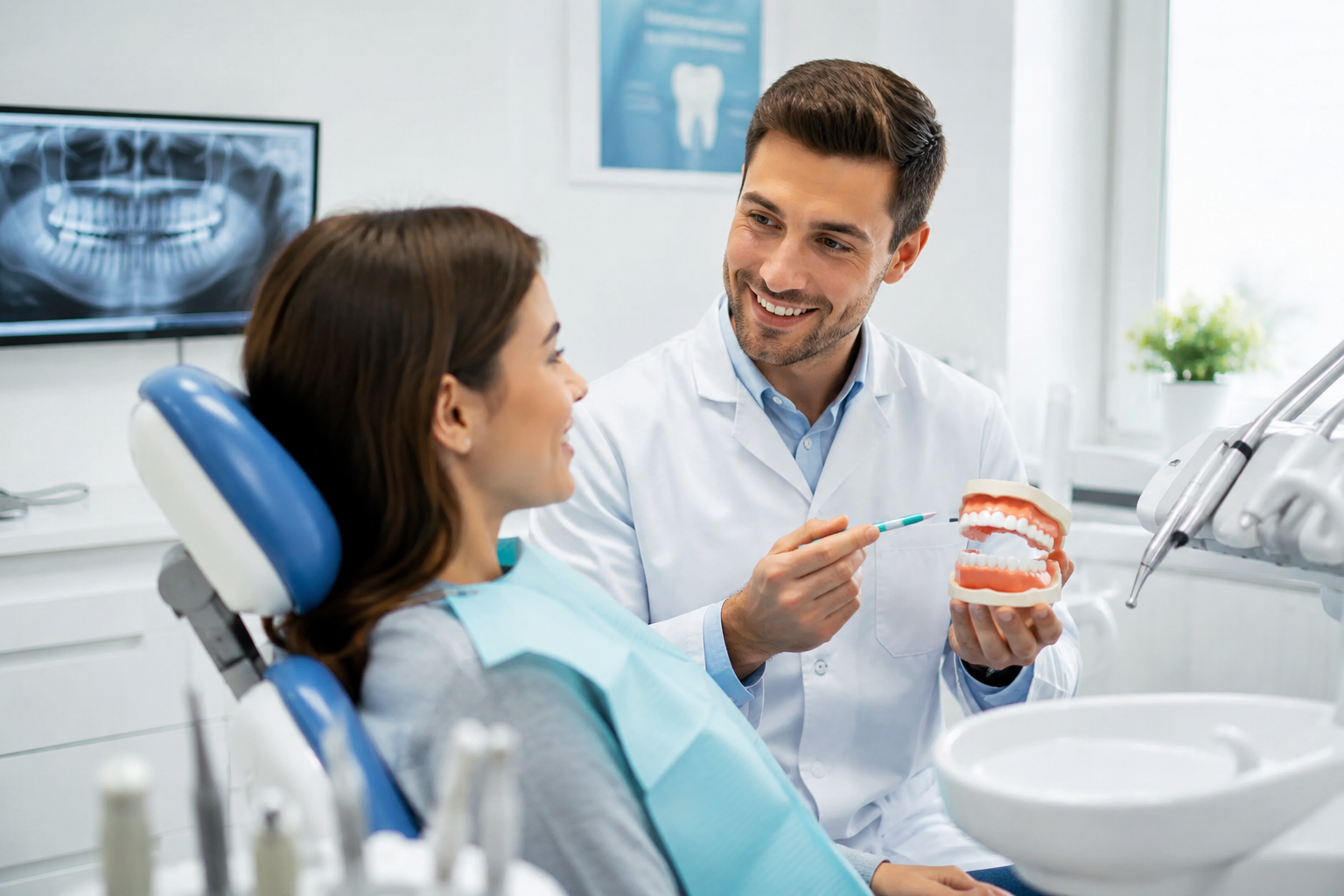
You can transform how you look and feel with a smile makeover in Brooklyn that fits your goals, schedule, and budget. A personalized plan combining veneers, whitening, implants, or orthodontics can give you a natural, lasting smile that boosts confidence and oral health.
They will explain modern, comfortable options and tailor every step — from digital mockups to gentle chairside care — so you know what to expect. Expect clear costs, financing choices, and practical aftercare to protect your investment and keep your smile healthy.
A smile makeover combines cosmetic and restorative dental treatments to improve the appearance, function, and health of a patient’s smile. It typically addresses tooth color, shape, alignment, spacing, and missing teeth using a personalized plan.
A smile makeover can deliver both cosmetic and practical benefits. Patients often receive whiter, more uniform teeth through treatments like professional whitening, porcelain veneers, or composite bonding. These changes improve confidence in social and professional situations.
Restorative procedures such as crowns, dental implants, and bridges restore chewing efficiency and protect weakened teeth. Orthodontic options — clear aligners or braces — can correct bite issues that otherwise cause wear or jaw pain. Many practices also offer gum contouring to correct a “gummy” smile and improve proportions.
Beyond aesthetics and function, a coordinated plan reduces future dental problems by replacing failing restorations and sealing cracks. Modern approaches emphasize conservative, long-lasting materials and digital planning to predict outcomes before treatment begins.
Ideal candidates have one or more aesthetic or functional concerns they want corrected and maintain general oral health. Candidates should have treated active gum disease, manageable decay, and sufficient bone for implants if missing teeth are involved. A comprehensive exam, X-rays, and a CT scan (when implants are considered) determine suitability.
Patients seeking predictable results often prefer practices that offer digital smile design or mock-ups so they can preview proposed changes. Those with realistic expectations about timelines, maintenance, and costs fare best. Smokers or patients with uncontrolled medical conditions may require additional preparation or medical clearance.
Age alone rarely disqualifies someone; many adults pursue makeovers in their 20s through their 70s. The key factors are oral health status, commitment to follow-up care, and willingness to invest in long-term maintenance like night guards or periodic touch-ups.
Common concerns include staining, chipped or uneven teeth, gaps, crowding, and missing teeth. For stains, in-office whitening provides faster, stronger results than over-the-counter options. Chips and uneven edges often respond well to composite bonding or veneers depending on severity.
Gaps and crowding can be solved with clear aligners for mild-to-moderate cases or orthodontics for complex bites. Missing teeth typically require dental implants for a permanent solution, or bridges and removable partial dentures when implants aren’t feasible. Each option includes trade-offs in cost, maintenance, and longevity.
Patients worried about sensitivity or nervousness should discuss sedation options and desensitizing strategies. The dental team will provide a customized plan that sequences treatments for comfort and efficiency, often combining restorative and cosmetic steps to minimize visits and ensure predictable results.
Brooklyn patients often choose treatments that balance fast results with long-term oral health. Options range from in-office brightening to cosmetic veneers and clear aligners that correct alignment discreetly.
Patients can pick from three main whitening routes: in-office laser/LED treatments, custom take-home trays, and over-the-counter products. In-office whitening gives the fastest, most controlled results — a trained hygienist applies a professional-strength peroxide gel and may use light activation to lift deep stains in one visit. Custom take-home trays are made from digital scans or impressions; they use lower-concentration gel for gradual whitening and are safer for sensitive gums. OTC strips or whitening toothpaste can help mild surface stains but usually don’t match the effectiveness of professional systems. Dentists evaluate enamel condition and sensitivity before recommending a plan and may suggest desensitizing agents or modified protocols for patients with sensitive teeth.
Porcelain veneers and Lumineers conceal chips, gaps, discoloration, and minor misalignment with thin ceramic shells bonded to the front of teeth. Traditional veneers require minimal enamel removal and offer a highly tailored shape, color, and translucency; they’re durable and resist stains. Lumineers are an ultra-thin foil-style veneer that often requires less or no enamel reduction, which can preserve tooth structure but may not suit every case where bulk or severe alignment issues exist. Both options start with digital imaging and mock-ups so patients preview outcomes. Care involves good oral hygiene, avoiding very hard foods, and periodic checkups — with proper maintenance, veneers often last 10–15 years or longer.
Invisalign uses a series of clear, removable aligners customized from digital scans to shift teeth incrementally. Each aligner is worn about 1–2 weeks and removed for eating and brushing, which helps maintain oral hygiene during treatment. It handles mild-to-moderate crowding, spacing, and bite issues; complex cases may still require traditional braces or a combined approach. Treatment length typically runs 6–18 months depending on movement needed. Patients should expect regular progress checks, use of attachments in some cases, and wearing a retainer post-treatment to maintain results. Orthodontists in Brooklyn coordinate with general dentists for restorations or refinements after alignment is complete.
Every smile makeover starts with understanding the patient’s goals, oral health, and lifestyle. The plan combines clinical findings with aesthetic preferences to create a predictable, comfortable path to the desired result.
The dentist gathers a focused medical and dental history, noting medications, TMJ symptoms, and past orthodontic or cosmetic work. A thorough intraoral exam inspects tooth wear, decay, gum levels, and occlusion (bite) to identify functional issues that could affect long-term results.
Clinical records include high-resolution intraoral photos, full-mouth periodontal charting, and study models or intraoral scans. The clinician measures tooth proportions and gingival margins against facial landmarks to evaluate symmetry and smile line.
Diagnostic tests may involve bite analysis, periapical and panoramic radiographs, and a caries risk assessment. The team discusses realistic aesthetic goals, budget, and timeline, and explains how medical or periodontal problems must be treated before elective cosmetic procedures.
Digital imaging translates the assessment into visual plans using intraoral scans, 2D smile design software, and facial photographs. The dentist creates mockups showing proposed changes in tooth length, shape, and alignment to help the patient visualize outcomes.
A digital wax-up or temporary prototype can be milled or 3D-printed for a try-in. This lets the patient and clinician evaluate esthetics and phonetics before irreversible steps like tooth preparation or veneers.
The plan lists staged treatments with timelines, for example: periodontal therapy (2–4 weeks), orthodontics or aligners (3–12 months if needed), conservative restorations such as bonding or veneers (2–4 appointments), and final polishing or occlusal adjustment. Costs and follow-up care are itemized so the patient can make an informed decision.
Modern smile makeovers at Brooklyn practices prioritize gentle care and predictable results. Patients experience treatments designed to reduce discomfort, shorten visits, and improve outcomes through digital planning and advanced materials.
Dentists use targeted local anesthesia, sedation options (oral or nitrous oxide), and computer-guided injections to make injections faster and less painful. Laser dentistry reduces bleeding and swelling for gum contouring or soft-tissue shaping, often eliminating the need for sutures.
Guided implant surgery based on 3D CBCT scans and surgical guides lets clinicians place implants with millimeter accuracy through smaller incisions. Conservative tooth preparations for veneers and crowns preserve more natural enamel, reducing sensitivity and long-term risk.
Postoperative protocols include preemptive analgesia, ice application instructions, and short antibiotic courses when indicated. Many practices offer same-day restorations to avoid multiple anesthetic appointments and to restore function quickly.
High-strength ceramics (zirconia and lithium disilicate) provide durable, stain-resistant crowns and veneers that mimic natural translucency. These materials bond strongly to enamel and dentin, which increases longevity and reduces microleakage.
Composite resins have improved wear resistance and shading options for conservative bonding and small repairs. For implants, titanium and high-strength zirconia abutments combine biocompatibility with aesthetics, lowering the chance of gum irritation or dark lines at the gum margin.
Digital impressions and CAD/CAM milling produce fits within tens of microns, cutting chair time and remakes. Many clinics pair advanced materials with nightguards or occlusal adjustments to protect restorations and extend service life.
Daily routines and regular professional care keep restorations looking natural and functioning well. Simple habits—proper brushing, flossing, and timely dental visits—protect veneers, crowns, implants, and natural teeth from stains, decay, and damage.
They should brush twice daily with a soft-bristled brush and non-abrasive fluoride toothpaste to protect tooth enamel and the surfaces of veneers or crowns. Use gentle circular motions for two minutes, paying attention to the gumline where plaque accumulates.
Floss once daily using waxed floss or interdental picks to clean tight contacts without catching on restoration margins. For implants, use floss designed for implants or a water flosser to remove biofilm around the implant crown and abutment.
Limit staining foods and drinks—coffee, red wine, dark sodas—and rinse with water after consuming them. Avoid biting hard objects like ice, pens, or fingernails to prevent chipping porcelain or composite restorations.
Use a nightguard if grinding or clenching is present; a custom appliance from the dentist protects veneers, crowns, and natural teeth from fracture. Choose an alcohol-free antibacterial mouthwash if advised, and follow any specific care instructions provided for bonded or cemented restorations.
They should schedule professional cleanings every three to six months depending on gum health and restoration type. Hygienists remove calculus and surface stains that at-home care can’t fully eliminate and check marginal integrity around crowns, veneers, and implants.
During follow-up exams, dentists evaluate bite alignment, restoration fit, and soft tissue health. Radiographs taken periodically detect decay under margins or bone changes around implants before symptoms appear.
Report any sensitivity, looseness, or color changes immediately so the office can assess and repair restorations early. Discuss touch-up whitening for natural teeth adjacent to veneers to maintain a uniform shade, and confirm repair or replacement timelines for worn restorations.
They should keep records of materials used and the date of placement; this helps the dentist plan maintenance and anticipate future needs. Call the dental office to schedule a consultation if any concern arises or to set up routine preventive care.
A smile makeover in Brooklyn can range widely depending on chosen treatments. Basic procedures like whitening cost a few hundred dollars, while full-mouth restorations with implants can run into the tens of thousands.
Many practices provide itemized estimates after an exam so patients know which services are necessary. Insurance may cover part of restorative work but often excludes purely cosmetic procedures like veneers.
Common payment options include:
A simple example compares typical ranges:
| Procedure | Typical cost (Brooklyn) |
|---|---|
| Professional whitening | $200–$600 |
| Porcelain veneers (per tooth) | $900–$2,500 |
| Dental implant (single) | $3,000–$6,000 |
| Full-mouth veneer/implant cases | $20,000+ |
Dentists often recommend prioritizing functional needs first — fixing bite, decay, or missing teeth — then addressing cosmetics. They also discuss staged treatment to spread costs and maintain oral health during the process.
Patients should ask about pre-treatment estimates, financing options, and any available discounts. A friendly consultation can clarify costs and create a practical plan that balances budget, comfort, and long-term results.
They should seek a dentist with clear smile-makeover experience and relevant credentials. Look for board certifications, advanced training in cosmetic and restorative dentistry, and before-and-after photos that match the results desired.
Patient comfort matters as much as skill. A good practice explains options, pain control, and recovery in plain language, and it offers sedation choices when appropriate.
Practical factors help narrow choices quickly. Consider location, office hours, insurance or financing, and whether the team provides digital imaging and intraoral photos for treatment planning.
Ask a few targeted questions during a consultation:
Read recent patient reviews and check professional profiles. Reviews reveal communication style and follow-up care; professional membership indicates commitment to ongoing education.
Trust and communication should guide the final decision. Patients should feel heard and receive a clear treatment plan before any irreversible work begins. Encourage scheduling a consultation to review options and feel confident moving forward.
They should start with a consultation to review goals, budget, and medical history. A focused exam and digital imaging clarify what treatments will achieve the look and function they want.
They can expect a customized plan that may combine whitening, veneers, crowns, implants, or orthodontics. The dentist explains timelines, alternatives, and cost options so patients feel informed and comfortable.
Patients should ask about sedation, recovery, and maintenance to reduce anxiety and plan time off work if needed. Most modern procedures use gentle techniques that prioritize comfort and faster healing.
A simple checklist helps prepare for the visit:
Financing and insurance options often exist to make treatment manageable. The practice can review payment plans, estimate out-of-pocket costs, and help file claims when appropriate.
They are encouraged to schedule the initial consultation to discuss next steps and personalized care. Questions are welcome; the team will guide them through each stage toward a healthier, more confident smile.
This section answers common practical concerns about cost, treatments, timeline, longevity, aesthetics, and what to expect at a first consultation. Each answer gives concrete details patients in Brooklyn can use when planning a smile makeover.
A full smile makeover in Brooklyn commonly ranges from $3,000 to $30,000 or more depending on complexity. Simple plans with whitening and bonding sit at the low end; multi-tooth porcelain veneers, implants, or full-mouth reconstructions push costs higher.
Several factors raise or lower price: number of teeth treated, type of materials (composite vs. porcelain), whether implants or orthodontics are needed, lab fees, and the dentist’s experience. Insurance may cover portions tied to health needs (crowns for decay, implants usually not), while cosmetic-only work is often out-of-pocket.
Common components include professional whitening, composite bonding, porcelain veneers, crowns, dental implants, and clear aligner orthodontics. The practice often combines treatments to address color, shape, alignment, and missing teeth.
Selection depends on the patient’s goals, oral health, and budget. Dentists assess tooth structure, bite, gum health, and X-rays, then prioritize conservative options first and reserve more invasive treatments when necessary.
Timelines vary from a single visit to several months. Whitening or bonding can finish in one or two appointments, veneers and crowns typically take 2–6 weeks including lab work, and cases involving implants or orthodontics may require 6–18 months.
Immediate provisional results (temporary veneers or provisional crowns) can maintain appearance while definitive restorations are fabricated. The dentist provides a personalized schedule after the initial exam and imaging.
Durability depends on materials and maintenance: composite bonding lasts about 3–10 years, porcelain veneers and crowns often 10–20 years, and implants can last decades with proper care. Whitening requires periodic touch-ups to maintain shade.
At home, patients should practice twice-daily brushing with fluoride toothpaste, daily flossing or interdental cleaning, and avoid heavy staining foods and smoking. In-office maintenance includes professional cleanings every 3–6 months, periodic polish or touch-up appointments, and replacing restorations when wear or damage appears.
Experienced dentists aim for natural, individualized results by evaluating facial features, skin tone, lip shape, and personality. They use shade guides, digital photos, mock-ups, and try-in temporaries to preview and refine the appearance.
Lab technicians craft porcelain restorations to mimic enamel translucency and texture. The team adjusts size, contour, and color until the patient and dentist agree the result suits the person’s face and lifestyle.
The first visit usually includes a health and cosmetic history, intraoral exam, X-rays or CBCT as needed, and photographs. The dentist discusses goals, explains options with pros and cons, and outlines a recommended plan with estimated timeline and costs.
Ask about alternative treatments, expected lifespan of restorations, materials used, sedation or comfort measures, examples of before-and-after cases, financing options, and the steps for follow-up care. Request digital mock-ups or temporaries to preview results before committing.
