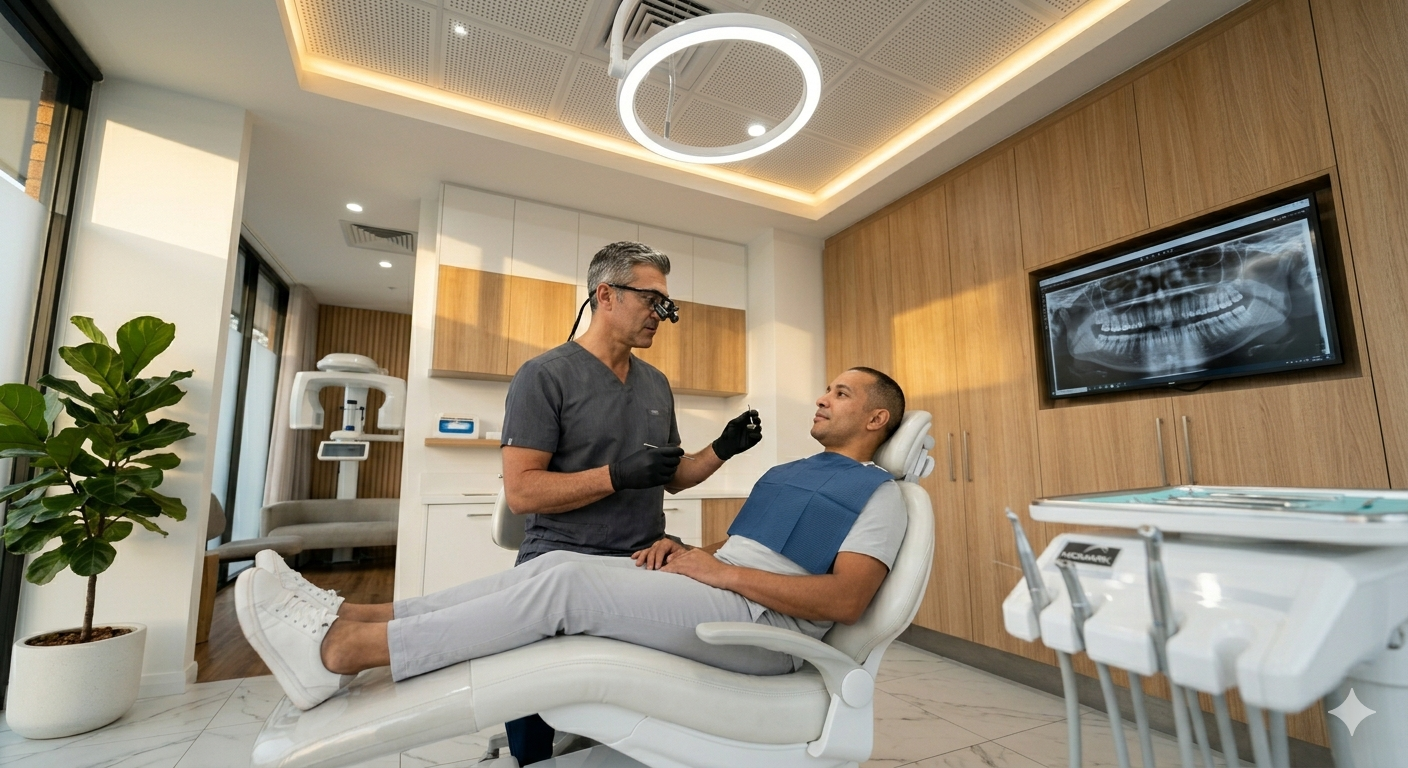
Thinking about cosmetic dentistry in Brooklyn can feel overwhelming, but a clear plan makes the path simple and reassuring. This guide explains what cosmetic dentistry covers, which treatments work best for common concerns, and how to choose a skilled local dentist so you can make confident choices about your smile.
They’ll find approachable explanations of popular options like veneers, teeth whitening, and dental implants, plus what to expect during consultations and procedures. Expect practical tips on comfort-focused technology, realistic cost considerations and financing, and straightforward maintenance advice to keep results lasting.
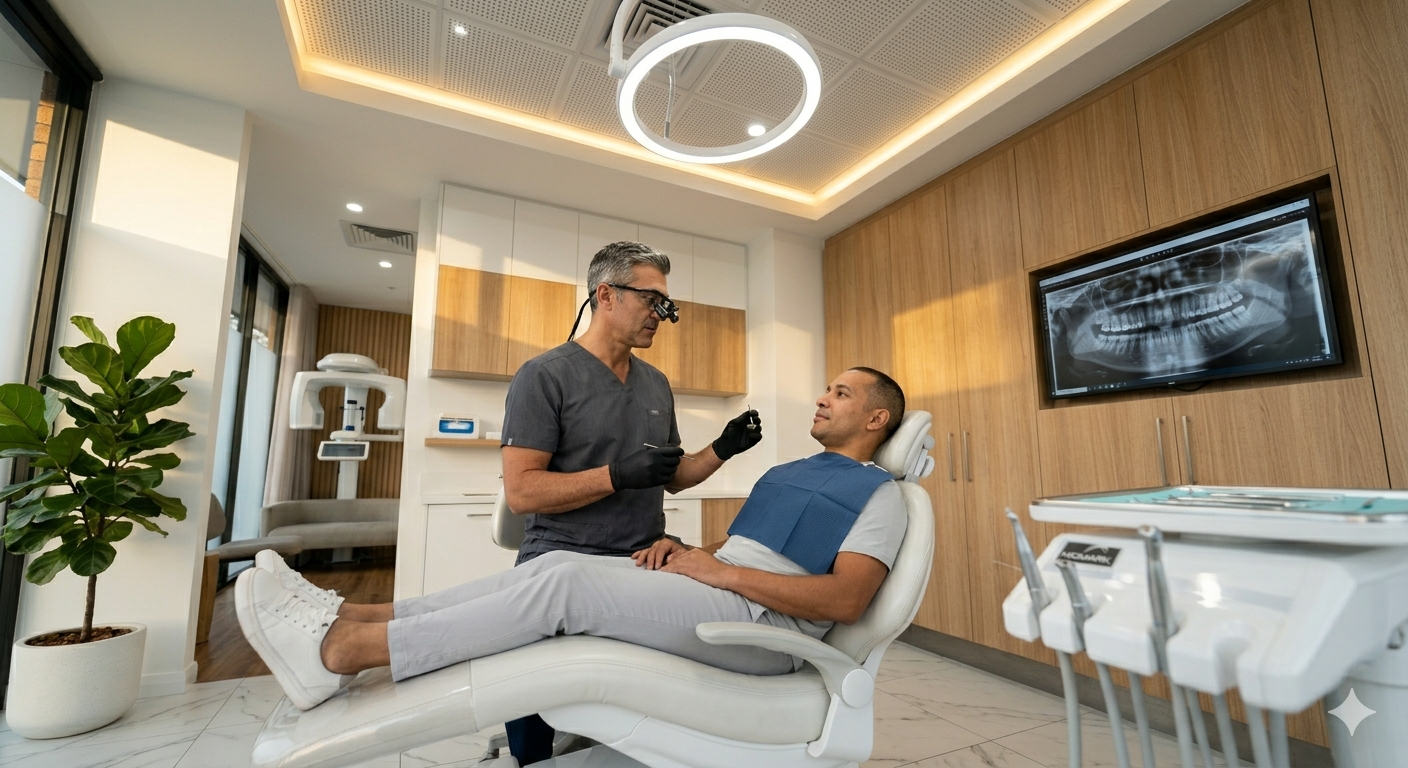
Cosmetic dentistry focuses on improving the appearance of teeth, gums, and the overall smile using targeted treatments that also preserve function and oral health. It covers corrective procedures for stains, chips, gaps, tooth shape, alignment, and visible gum issues.
Modern cosmetic dental care combines aesthetic goals with conservative dental techniques and biocompatible materials. Common procedures include teeth whitening (in-office and take-home trays), porcelain veneers that reshape and mask discoloration, tooth-colored composite bonding for small chips and gaps, and all-ceramic crowns that restore both look and bite.
Digital tools such as intraoral scanners and CAD/CAM milling speed up planning and create precise restorations that match adjacent teeth. Laser gum contouring sculpts uneven gum lines with less bleeding and faster healing than traditional methods. Many practices offer sedation options for anxious patients and use shade-matching systems to ensure natural-looking results.
General dentistry centers on prevention and treatment of disease: cleanings, fillings, root canals, and extractions to maintain oral health. Cosmetic dentistry prioritizes appearance but often overlaps with restorative care when function or structure needs repair—such as replacing old metal crowns with tooth-colored restorations.
Insurance often covers general dentistry procedures tied to health, while cosmetic-only treatments like veneers or elective whitening are usually out-of-pocket. The planning process also differs: cosmetic cases often start with aesthetic evaluations, smile design software, and mock-ups so patients preview results before irreversible steps occur.
A good candidate seeks to improve visible aspects of their smile and has reasonably healthy teeth and gums. Candidates typically have issues such as intrinsic or extrinsic staining, minor chips, small gaps, slightly misaligned teeth, worn enamel, or unattractive restorations.
Patients with active gum disease, untreated cavities, or bruxism need those conditions managed first to ensure cosmetic results last. Older adults, younger adults, and those preparing for major life events often pursue cosmetic care; the dentist evaluates bite, oral health, medical history, and aesthetic goals to recommend conservative, long-lasting options.
Brooklyn patients often seek visible, reliable improvements to their smiles using treatments that balance aesthetics, longevity, and comfort. Cost, timeline, and maintenance differ by procedure, so choosing the right option depends on desired results and oral health status.
Professional whitening in a dental office uses stronger peroxide gels and light or laser activation to lift deep stains quickly. In-office treatments typically take 60–90 minutes and can brighten teeth by 6–10 shades in a single visit, which is useful for special events or when rapid improvement is needed.
Custom take-home trays provide controlled, gradual whitening over 1–2 weeks using dentist-prescribed gels. These trays reduce gum irritation compared with over-the-counter strips and allow touch-ups later. Dentists evaluate shade goals, existing restorations, and tooth sensitivity before recommending an approach.
Over-the-counter products can help maintain results but rarely match professional strength. Dentists caution that whitening does not change the color of crowns or veneers, so coordinating restorations with whitening is important.
Porcelain veneers are thin ceramic shells bonded to the front of teeth to correct chips, gaps, discoloration, and minor misalignments. Veneers require 2–3 visits: consultation, tooth preparation with minimal enamel removal, and final bonding, often lasting 10–15 years with proper care.
Composite bonding uses tooth-colored resin sculpted onto the tooth in a single visit. It costs less upfront than veneers and preserves more natural tooth structure but is more prone to staining and may need repair every 5–7 years. Dentists choose bonding for small repairs and veneers for comprehensive cosmetic changes.
Both options require assessment of bite, enamel thickness, and oral hygiene. Dentists often present mock-ups or digital previews so patients can visualize outcomes before irreversible steps proceed.
Invisalign uses a series of clear, removable aligners to move teeth incrementally and is ideal for mild to moderate crowding, spacing, and some bite issues. Typical treatment lasts 6–18 months, with aligners removed for eating and cleaning, making them discreet and convenient for adults with busy lives.
Traditional braces remain the best choice for complex movements or severe bite corrections. Orthodontists in Brooklyn coordinate tooth movement with cosmetic goals, sometimes combining braces or aligners with veneers or whitening once alignment is complete.
Successful orthodontic treatment requires compliance with wear time and retainer use afterward. Dentists explain expected timelines, likely refinements, and how orthodontics can improve both function and the final cosmetic result.
A smile makeover combines multiple treatments—whitening, veneers, bonding, orthodontics, and sometimes implants—to address aesthetic and functional goals in a coordinated plan. Dentists start with a comprehensive exam, photographs, and digital simulations to create a stepwise treatment sequence tailored to budget and timeline.
Treatment planning balances immediate improvements with long-term maintenance. For example, whitening may precede veneers to match final shades, while implants replace missing teeth to support a harmonious smile.
Brooklyn practices often offer financing options and phased treatment plans to make comprehensive care accessible. Patients are encouraged to discuss priorities, concerns about sensitivity or downtime, and any medical or dental history that could affect outcomes.
This section explains how a cosmetic dentist evaluates a smile and turns that evaluation into a step-by-step plan. It covers what happens at the first visit, what records are collected, and how individualized treatment pathways are developed.
During the initial consultation, the dentist performs a focused clinical exam and discusses the patient’s aesthetic goals and concerns. They take intraoral photographs, digital X-rays, and often intraoral scans or study models to document tooth positions, bite relationships, and existing restorations.
The dentist evaluates tooth color, shape, alignment, gum contour, and wear patterns, plus functional issues like chewing or jaw pain. They review medical history, lifestyle factors (smoking, coffee consumption), and expectations for durability and cost.
Patients receive immediate feedback about feasible options—whitening, veneers, bonding, orthodontics, or implants—and a rough timeline. The visit usually includes a discussion of risks, maintenance needs, and financing or insurance considerations.
After assessment, the dentist creates a tailored treatment plan that sequences procedures for predictable results. This plan lists each step, estimated appointment count, materials (porcelain type, resin), and expected timelines for healing and follow-up.
When appropriate, the plan uses digital smile design or mock-ups so patients can preview outcomes. The dentist coordinates with specialists—orthodontists, periodontists, or lab technicians—when implants, gum reshaping, or complex occlusal work is needed.
A written estimate and informed-consent forms clarify costs, alternatives, and post-procedure care instructions. Regular check-ins and adjustments are scheduled to monitor healing, aesthetics, and function until the final result meets the patient’s goals.
Brooklyn patients gain practical improvements in appearance, function, and long-term oral health from cosmetic dentistry. Local access to modern labs and restorative specialists means faster treatment times and predictable results.
Cosmetic dentistry in Brooklyn often centers on visible, immediate changes like teeth whitening, porcelain veneers, and orthodontic alignment. These procedures reduce discoloration, close gaps, and correct minor misalignments, helping patients feel more comfortable smiling in social and professional settings.
Many patients report clearer first impressions after treatment—better photos for social media, more confident presentations at work, and a willingness to engage in social activities. Dentists usually tailor plans to match facial proportions and skin tone so results look natural rather than overdone.
Practical considerations matter: same-day whitening or veneers can fit around commuters’ schedules, while staged treatments allow budget-friendly progress. Brooklyn practices also emphasize patient comfort with sedation options and detailed mock-ups so people know expected outcomes before committing.
Cosmetic treatments often carry functional benefits: crowns and implants restore chewing efficiency, while orthodontic work improves bite alignment that reduces uneven tooth wear. Correcting bite issues can ease jaw pain and lower the risk of future dental damage.
Restorative-cosmetic combinations—such as replacing old fillings with tooth-colored materials or placing veneers over weakened enamel—strengthen teeth and reduce sensitivity. Dentists evaluate the whole mouth, addressing decay and gum disease before purely aesthetic work to ensure long-term stability.
Local specialists coordinate with periodontists and prosthodontists when needed, providing comprehensive care. This team approach helps Brooklyn residents get both a better-looking smile and improved daily function like clearer speech and more comfortable eating.
Investing in cosmetic dentistry can reduce future dental costs by preventing progressive problems. Durable materials—zirconia crowns, high-quality composite resins, and well-fitted implants—often last many years with proper oral hygiene and regular check-ups.
Maintenance remains key: professional cleanings, night guards for bruxism, and avoiding hard foods extend the life of restorations. Many practices in Brooklyn offer financing and phased treatment plans to spread costs while prioritizing essential restorative work first.
Cosmetic upgrades also yield measurable non-tangible returns: improved self-presentation at job interviews and social events, and reduced anxiety about dental appearance. Patients are encouraged to schedule a consultation to review realistic timelines, expected outcomes, and maintenance requirements.
Choosing a dentist involves checking credentials, reviewing real patient results, and confirming a practice that prioritizes comfort and clear communication. Practical steps—verification, treatment planning, and asking focused questions—help patients find a provider who delivers predictable esthetic results.
Look for a licensed dentist with advanced training in cosmetic procedures such as veneers, bonding, and smile design. Board certifications are not required nationwide, but membership in organizations like the AACD (American Academy of Cosmetic Dentistry) or completion of accredited postgraduate programs signals dedicated study beyond dental school.
Clinical experience matters. Ask how many cases of the specific procedure the dentist has performed, and request before-and-after photos of local patients, not stock images. Also confirm the practice uses modern technology—digital smile design, intraoral scanners, and CBCT when needed—to plan restorations precisely and reduce surprises.
Check the team’s ongoing education. A dentist who attends hands-on courses and live patient workshops is more likely to adopt current materials and techniques. Finally, read verified patient reviews that mention outcomes, chairside manner, and problem resolution to get a rounded picture of competence and reliability.
A patient-centered cosmetic practice begins with a thorough evaluation that includes esthetic goals, oral health assessment, and photographic records. The dentist should perform a periodontal check, caries screening, and bite analysis before proposing cosmetic work to avoid treating problems on unstable foundations.
Treatment planning should be collaborative. Practices that offer digital mock-ups or temporary mock veneers let patients preview results and provide feedback. Look for transparent pricing, written treatment timelines, and clear explanations of materials—porcelain vs. composite, longevity, and maintenance needs.
Comfort measures and post-op support matter. Practices that provide local anesthesia options, sedation choices when appropriate, and clear aftercare instructions reduce anxiety and speed recovery. A good office also schedules follow-ups and stands behind their work with warranties or repair policies.
Bring a short list of focused questions to evaluate fit and competence. Key questions include: “How many times have you performed this specific procedure?” and “Can I see before-and-after photos of cases similar to mine?” These elicit concrete evidence of skill.
Ask about materials and expected lifespan: “What type of porcelain or composite will you use, and what maintenance does it need?” Also ask about contingency plans: “If a restoration chips or color-matches poorly, what is your repair or replacement policy?”
Clarify logistics and comfort: “What sedation options do you offer?” and “How many visits and how much chair time should I expect?” Finally, discuss cost and financing: “What is included in the estimate, and do you offer payment plans or in-house financing?”
Dentists prioritize reducing anxiety, minimizing discomfort, and shortening appointment times through targeted technology and patient-centered workflows. The following details explain specific tools and approaches that improve comfort and clinical outcomes.
Many Brooklyn practices emphasize tissue-preserving care like air abrasion and laser dentistry to remove decay without traditional drills. Air abrasion uses a fine stream of particles to gently erode soft decay, often letting the clinician use less anesthesia and preserve more healthy tooth structure. Dental lasers can treat soft tissue and hard tissue with less bleeding and swelling, speeding healing after gum contouring or small cavity treatment.
For restorations, conservative preparations for composite fillings and partial ceramic onlays save tooth material compared with full crowns. Chairside CAD/CAM systems (same-day milling) reduce visits, so patients undergo fewer injections and shorter overall treatment periods. Sedation options — nitrous oxide, oral sedatives, and IV sedation — are available for those with strong dental fear, always paired with monitoring and trained staff.
Modern ceramics such as lithium disilicate and high-translucency zirconia combine strength with lifelike aesthetics for crowns, veneers, and bridges. These materials resist staining and require thinner tooth reductions, which helps maintain tooth vitality. Adhesive bonding systems have improved bond strength to enamel and dentin, increasing longevity of restorations while permitting more conservative preparations.
Digital workflows — intraoral scanners, 3D printing, and CBCT imaging — create precise treatment plans and better-fitting restorations. Intraoral scanners eliminate messy impressions for many cases, improving comfort for gag-prone patients. Guided implant surgery planned with CBCT slices places implants with greater accuracy, shortens surgery time, and often leads to faster recovery.
Proper daily habits and timely professional care keep restorations looking natural and functioning well. Follow clear aftercare steps, protect restorations from damage, and schedule regular checkups to catch issues early.
After cosmetic procedures like veneers, crowns, or whitening, follow specific instructions from the dentist to avoid complications. For the first 48–72 hours after whitening, avoid dark-colored foods and drinks—coffee, red wine, berries—and use a straw for colored beverages to limit stain contact. If veneers or crowns were placed, avoid chewing hard items (ice, popcorn kernels, fingernails) and don’t use teeth as tools.
Use a soft-bristled toothbrush and non-abrasive fluoride toothpaste to protect enamel and restorations. If sensitivity occurs after whitening or bonding, use desensitizing toothpaste twice daily and avoid very hot or cold foods until sensitivity subsides. Wear a provided nightguard if teeth grinding was diagnosed or suspected; grinding can fracture veneers and wear down crowns.
Follow any temporary-restoration restrictions until permanent pieces are cemented—this may include softer foods and extra care around the treated tooth. Contact the dental office promptly for any persistent pain, loose restorations, or visible gaps.
Schedule dental checkups and hygienist cleanings every 3–6 months based on the dentist’s recommendation and individual risk factors. During these visits, the clinician checks margins of crowns and veneers, assesses bite alignment, and performs professional polishing to remove surface stains without harming restorations.
Maintain daily flossing using floss threaders or interdental brushes around bridges and implant crowns to remove plaque and prevent gum inflammation. For patients with implants, use low-abrasive interdental cleaners and avoid metal instruments at home that could scratch implant crowns.
Ask the dentist about topical fluoride treatments or at-home fluoride trays if decay risk is elevated. Keep a record of any changes—color shifts, sensitivity, or looseness—and bring photos or notes to appointments. Regular monitoring preserves aesthetic results and prevents small issues from becoming repairs.
Cosmetic dental care in Brooklyn varies widely in price because of procedure type, materials, and provider experience. Simple treatments like teeth whitening cost significantly less than porcelain veneers or full-mouth restorations.
Patients should expect a typical range: whitening can run from $200–$800, veneers $900–$2,500 per tooth, and implants $3,000–$6,000 each. Insurance often covers only functional procedures, not purely cosmetic work, so out-of-pocket expenses are common.
Many practices offer payment options to spread costs. Common choices include:
It helps to get a written estimate and a treatment plan before committing. This lets patients compare options, ask about lab fees or follow-up visits, and avoid surprise charges.
Some dentists combine necessary restorative work with cosmetic improvements to increase insurance coverage. They also often provide bundled pricing for multi-tooth or full-arch cases, which can be more economical than paying per tooth.
Encourage patients to discuss budgeting and comfort options with the office. Scheduling a consultation helps clarify costs, financing choices, and which treatments best match both goals and budget.
They should schedule an initial consultation to review goals, medical history, and budget. A short exam and digital images often clarify which cosmetic options fit their needs.
Patients can prepare a list of priorities and questions to bring to the appointment. Examples: “Do veneers or whitening suit my case?” and “What is the expected timeline and cost?”
The dentist will recommend a personalized plan that may include preventive care, whitening, veneers, bonding, or clear aligners. Each option has typical timelines and maintenance needs, which the team will explain clearly.
Use this quick checklist to prepare:
They should expect a phased approach for complex cases — stabilization first, then cosmetic work. That keeps results durable and minimizes surprises.
If anxiety is a concern, the practice will discuss comfort measures like sedation and stepwise scheduling. Patients often find addressing fears upfront improves cooperation and outcomes.
Contact information and scheduling options will be provided by the clinic, along with before-and-after photos of similar cases when available. Encourage them to call or message the office to set the first appointment and start the treatment plan.
This section answers specific, practical questions patients often have about cosmetic dentistry in Brooklyn, including how to choose a dentist, treatment options for chips/gaps/discoloration, differences among veneers/bonding/crowns, whitening longevity, veneer planning rules, and what to expect at a consultation.
They should review the dentist’s before-and-after photos for cases similar to theirs and check credentials like accredited cosmetic dentistry courses or fellowship memberships.
Look for patient reviews mentioning communication, chairside manner, and pain management; these predict comfort and satisfaction.
Schedule a consultation to evaluate the office environment, the team’s demeanor, and whether the dentist explains options in plain language.
Ask about available technologies—digital smile design, intraoral scans, and sedation options—that improve accuracy and comfort.
For small chips and minor gaps, direct composite bonding offers a quick, tooth-conserving fix in one visit.
Veneers address larger shape changes and stubborn discoloration with longer-lasting results.
Orthodontic options like clear aligners correct gaps and alignment before cosmetic finishing.
Teeth whitening and professional cleanings handle most discoloration; for intrinsic stains, veneers or crowns may be necessary.
Bonding uses tooth-colored resin applied directly to enamel; it’s conservative, lower-cost, and suited for small repairs.
Veneers are thin porcelain shells bonded to the front of teeth; they require minimal enamel removal and work well for uniform color and shape changes.
Crowns cap the entire tooth and restore strength when decay or fracture compromises structure.
The dentist decides based on tooth health, cosmetic goals, longevity expectations, and budget.
Professional in-office whitening often yields the brightest result for 6–24 months, depending on diet and habits.
At-home maintenance with touch-up trays or dentist-prescribed take-home kits extends results effectively.
Avoid frequent staining foods and drinks like coffee, red wine, and tobacco; use a whitening toothpaste sparingly for maintenance.
Regular cleanings every 3–6 months help remove surface stains and preserve the whitening outcome.
The “4-8-10” rule refers to treating the central aesthetic zone: 4 veneers for the two centrals and laterals, 8 for the upper anterior teeth, and 10 when the smile shows more teeth.
Dentists evaluate smile display at rest and while smiling to determine how many teeth are visible and need matching.
They also consider bite, tooth alignment, color match, and the patient’s aesthetic goals before recommending a specific number.
A mock-up or digital preview helps patients see results before committing.
Expect a medical and dental history review, intraoral photos or scans, and a discussion of goals with possible treatment plans and timelines.
Simple bonding may be completed in one visit; veneers and crowns typically require two to three appointments over 2–6 weeks.
Costs vary by procedure and materials—bonding is generally least expensive, porcelain veneers mid-range, and crowns or full-mouth work higher—so ask for an itemized estimate.
Next steps usually include treatment sequencing, financing options, and scheduling a mock-up or preparatory appointments.
